22 Jun Understanding Honeybee Products and Their Natural Bioactive Compounds
Understanding Honeybee Products and Their Natural Bioactive Compounds
Honeybees produce some of nature’s most remarkable substances. From honey and propolis to royal jelly, bee pollen and bee venom, these products have been valued for thousands of years for their nutritional content and unique bioactive compounds.
Today, scientific research continues to explore the flavonoids, phenolic acids, enzymes and peptides found in honeybee products and their potential role in supporting overall health and wellbeing. As interest in natural health products continues to grow, honeybee products remain among the most studied and widely used functional foods in the world.
What is Apitherapy?
Apitherapy refers to the traditional use of bee-derived products to support health and wellbeing. Throughout history, civilizations across Europe, Asia and the Middle East have utilised honeybee products for nutritional, cosmetic and wellness applications.
Modern scientific research continues to investigate the naturally occurring compounds found in honey, propolis, royal jelly, bee pollen and bee venom. These products contain a diverse range of bioactive substances that contribute to their unique properties and growing popularity worldwide.
Bioactive Compounds Found in Bee Products
One of the reasons honeybee products have attracted significant scientific interest is their rich concentration of naturally occurring bioactive compounds.
These include:
- Flavonoids
- Phenolic acids
- Antioxidants
- Enzymes
- Amino acids
- Peptides
These compounds are associated with antioxidant, antimicrobial and anti-inflammatory activities and contribute to the unique characteristics of bee products.
Australian bee products, particularly propolis, are increasingly recognised for their distinctive botanical origins and complex chemical profiles. The composition of propolis can vary significantly depending on the plants available to bees within a particular region, making each propolis source unique.
Honey
Honey is one of the world’s oldest and most widely consumed natural foods. Produced by honeybees from floral nectar, honey contains naturally occurring sugars, enzymes, antioxidants and trace minerals.
Traditionally, honey has been used to soothe the throat and provide comfort during periods of respiratory irritation. Its naturally sweet flavour and nutritional profile have made it a staple food in cultures around the world for thousands of years.
Today, honey continues to be valued as both a natural food and a source of bioactive compounds that contribute to its unique characteristics.
Propolis
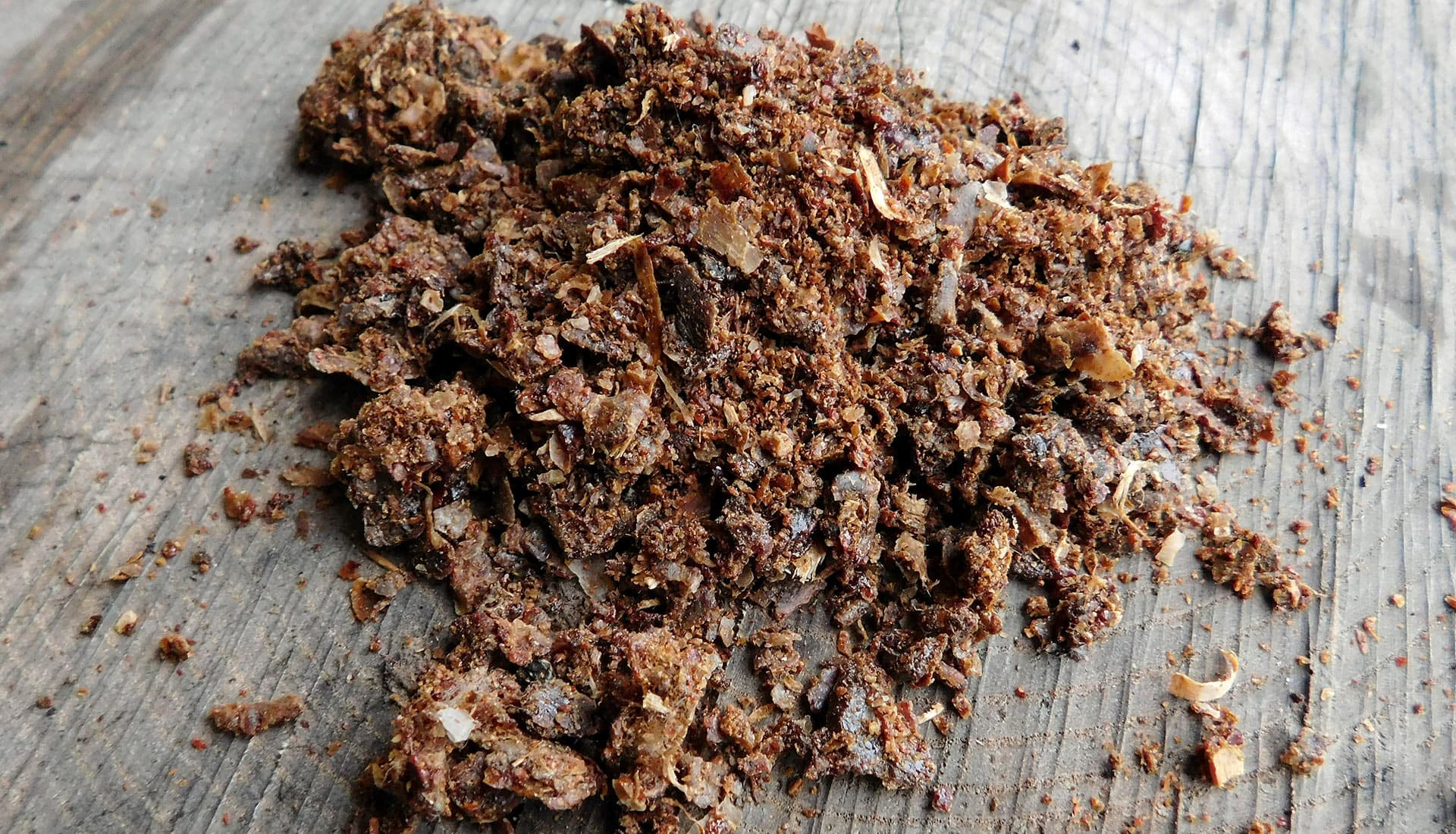
Often referred to as “bee glue”, propolis is a resinous substance collected by bees from tree buds, bark and other botanical sources.
Within the hive, bees use propolis to seal cracks, strengthen the hive structure and help maintain a healthy environment. This remarkable material plays a critical role in the overall health and integrity of the colony.
Propolis contains a wide range of naturally occurring compounds, including flavonoids and phenolic acids, which have made it the subject of extensive scientific research.
Australian propolis has attracted increasing international attention due to its unique botanical origins and distinctive chemical composition. As a result, propolis is widely used in supplements, tinctures, lozenges, oral care products and wellness formulations throughout the world.
Royal Jelly
Royal jelly is a nutrient-rich substance produced by worker bees and fed exclusively to queen bees throughout their lives.
It contains proteins, amino acids, lipids, vitamins and unique compounds such as 10-HDA (10-hydroxy-2-decenoic acid), which is commonly used as a quality marker in royal jelly products.
Royal jelly has long been valued as a premium bee product and remains one of the most sought-after ingredients in nutritional supplements and cosmetic formulations.
Bee Pollen
Bee pollen consists of flower pollen collected by honeybees and combined with nectar and bee enzymes.
It contains a naturally diverse range of nutrients including proteins, amino acids, vitamins, minerals and antioxidants.
Due to its nutritional density, bee pollen is often referred to as one of nature’s most complete foods and continues to be popular among consumers seeking natural nutritional support.
The Future of Honeybee Product Research
Scientific interest in honeybee products continues to grow as researchers seek to better understand their composition, functionality and potential applications.
Advances in analytical techniques now allow scientists to identify and measure specific bioactive compounds within bee products, providing greater insight into their quality, composition and natural variability.
As our understanding of honey, propolis, royal jelly, bee pollen and bee venom continues to expand, honeybee products remain an important part of the global wellness industry and a fascinating area of ongoing scientific research.
From ancient traditions to modern laboratories, honeybee products continue to demonstrate why they remain among nature’s most valuable and intriguing gifts.
